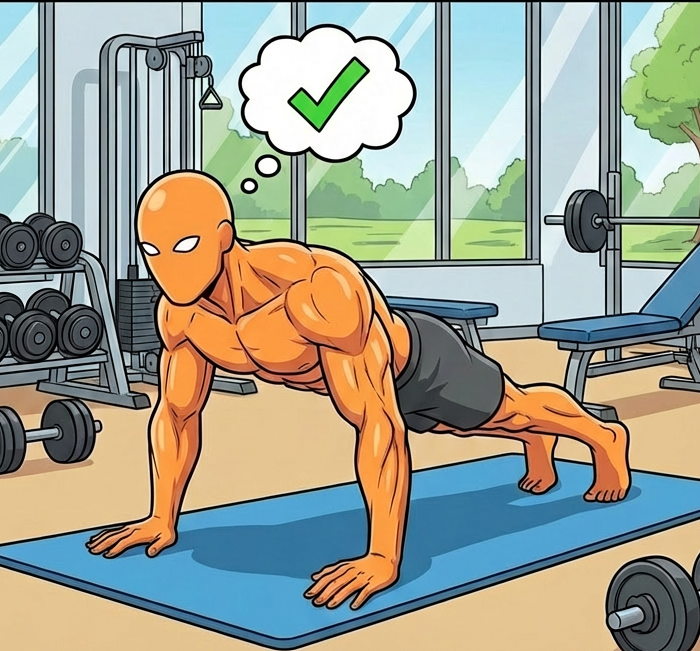
Understanding movement patterns is key to building a balanced, effective, and sustainable training program. Every exercise you perform — whether it’s lifting, running, or carrying — is built from one or more of these seven basic movement patterns.
By mastering them, you not only train smarter but also move better, prevent injuries, and develop strength that translates directly into everyday life and athletic performance.
1. The Hinge
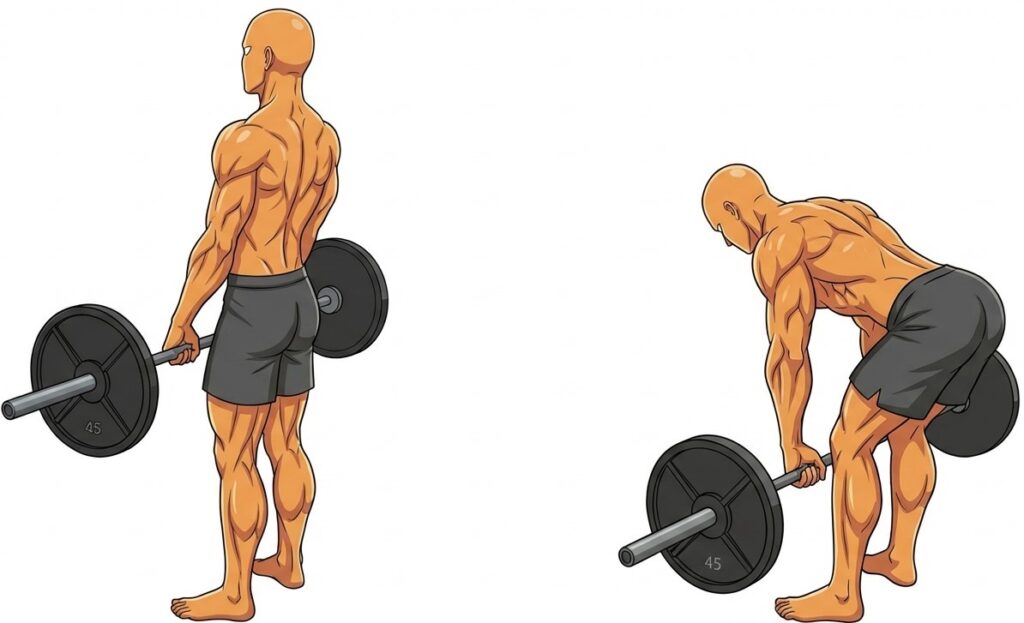
The hip hinge is a fundamental movement pattern that emphasizes bending at the hips while keeping your spine neutral and knees slightly bent. It primarily targets the posterior chain — the glutes, hamstrings, and lower back.
Strong hinge mechanics improve your ability to lift, jump, and sprint efficiently while reducing the risk of back injury.
Key exercises:
- Romanian deadlift (RDL)
- Kettlebell swing
- Hip thrust
- Glute bridge
- Deadlift (variations)
2. The Squat
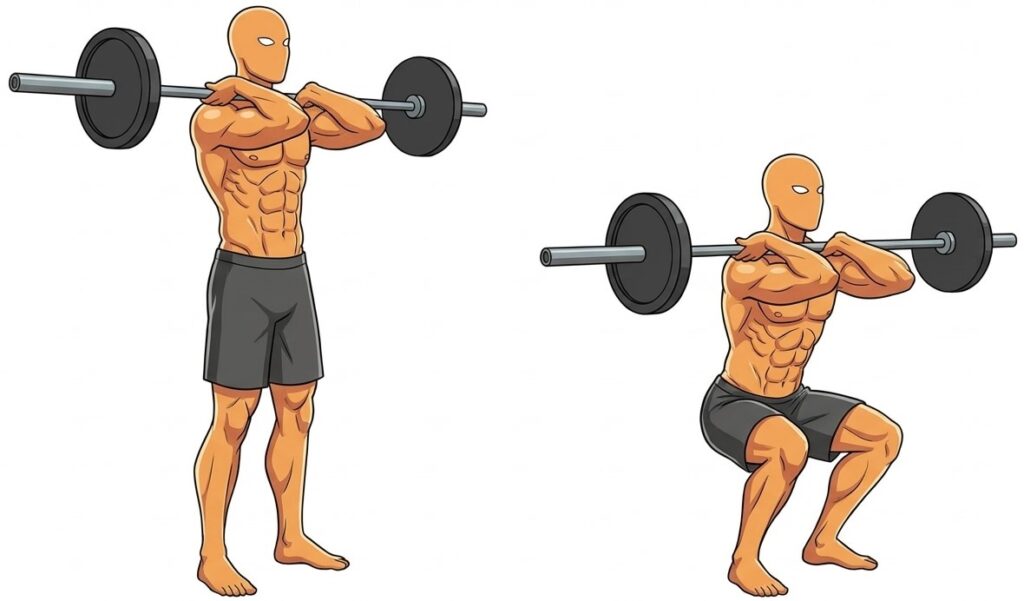
The squat is the body’s most natural up-and-down movement pattern — it mirrors the motion of sitting down and standing up. This pattern builds strength and stability in the quadriceps, glutes, and core, forming the foundation of lower-body power.
A well-executed squat enhances mobility, coordination, and control throughout your legs and hips.
Key exercises:
- Back squat
- Front squat
- Goblet swuat
- Split squat
3.1. The Push (Horizontal)
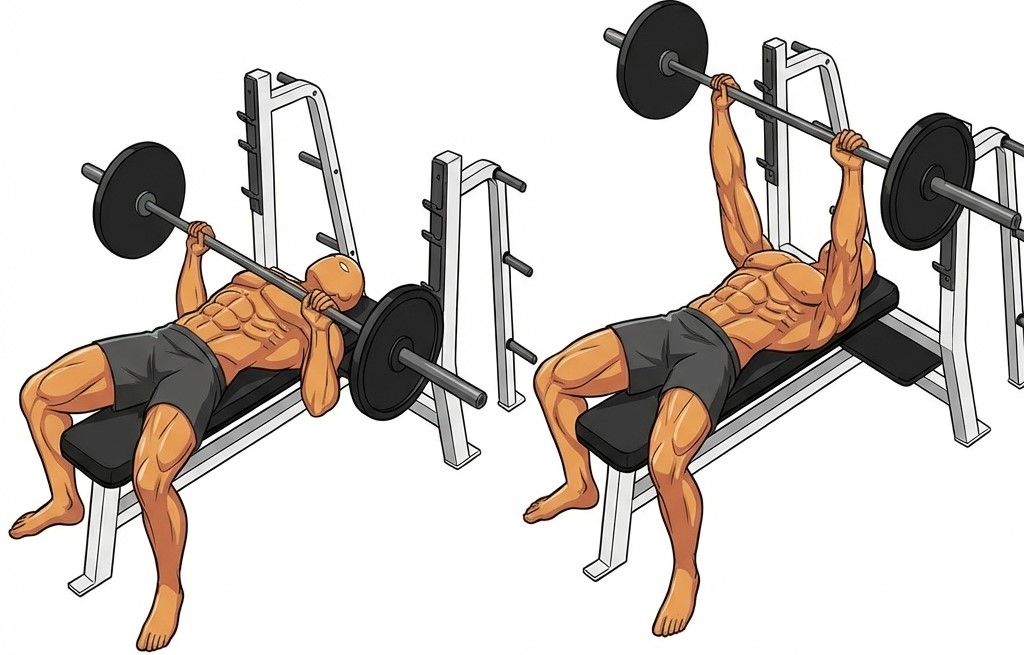
A horizontal push involves pressing weight away from your torso in a forward motion, developing strength through the chest, front shoulders, and triceps.
Beyond building upper body power, this movement supports strong posture and improves your ability to generate force in sports and daily tasks.
Key exercises:
- Bench press
- Push ups
- Incline bench press
- Floor press
- Dumbbell bench press
3.2. The Push (Vertical)
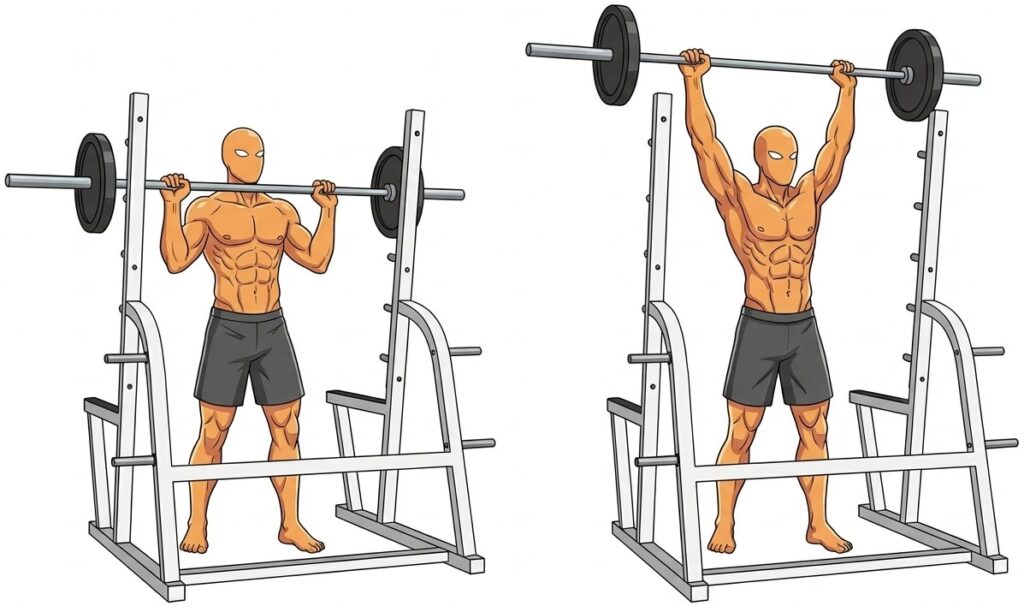
A vertical push means pressing weight overhead while maintaining proper spinal and core stability. It strengthens the shoulders, triceps, and upper back, promoting balanced shoulder development and overhead stability.
This pattern is essential for athletic performance and shoulder health over the long term.
Key exercises:
- Military press
- Overhead dumbbell press
- Landmine press
- Kettlebell press
4.1. The Pull (Horizontal)
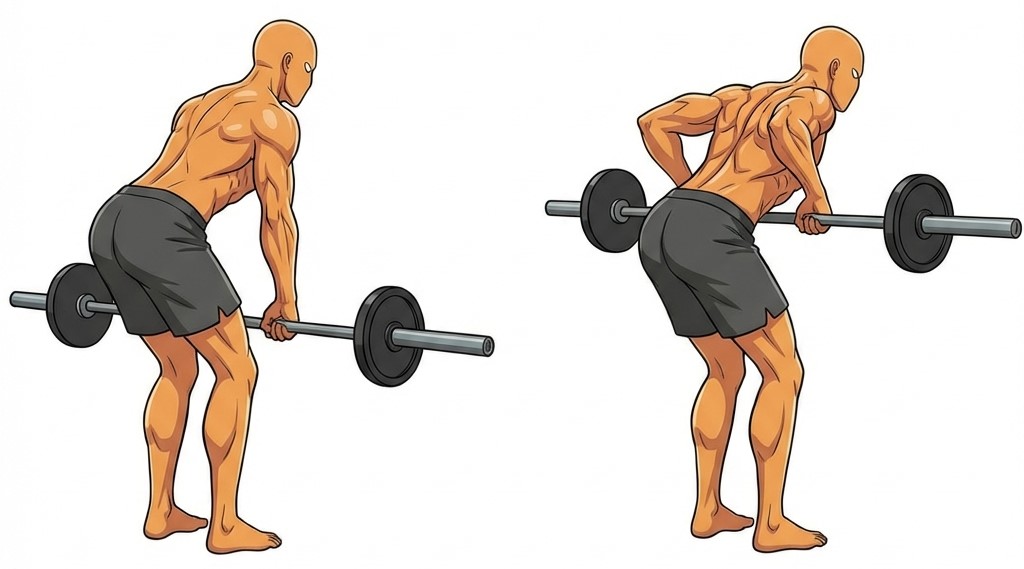
The horizontal pull complements all push movements by targeting the upper back, lats, rhomboids, and biceps. It’s vital for maintaining postural balance and shoulder integrity, especially for those who sit or press frequently. Basically all rowing movements.
A strong pull pattern promotes stability, endurance, pulling strength and healthy shoulder mechanics.
Key exercises:
- Bent over row
- Inverted row
- Seated cable row
- Seal row
- One arm dumbbell row
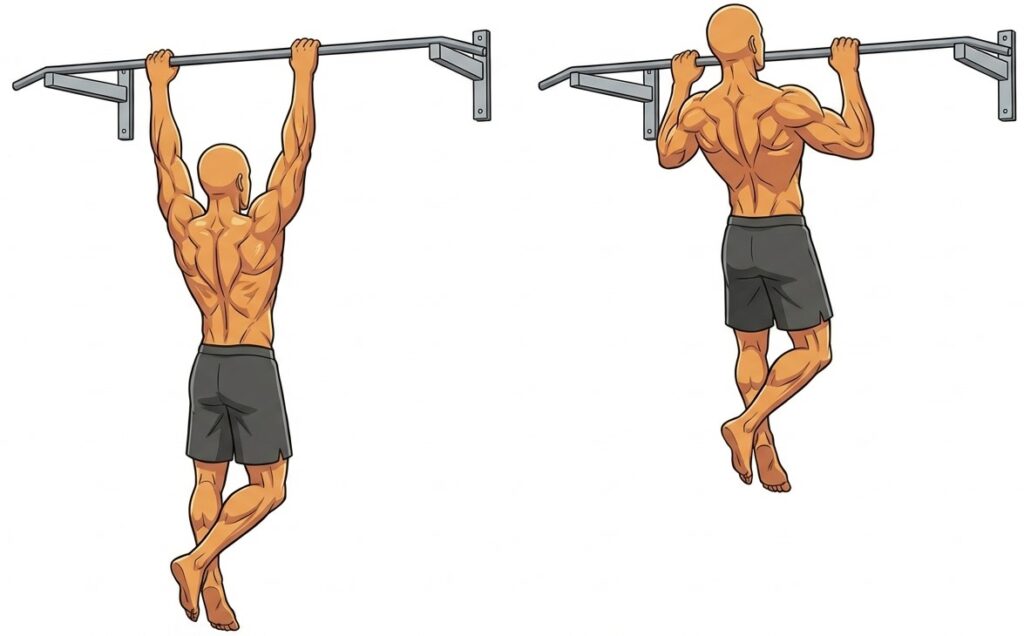
4.2. The Pull (Vertical)
The vertical pull recruits the lats, biceps, and mid-to-upper back to draw weight toward your body from an overhead position. This movement enhances upper-body width, grip strength, and overall pulling power.
It also directly complements vertical pressing, creating balanced development between front and back.
Key exercises:
- Pull up
- Chin ip
- Lat pull down
5. The Carry
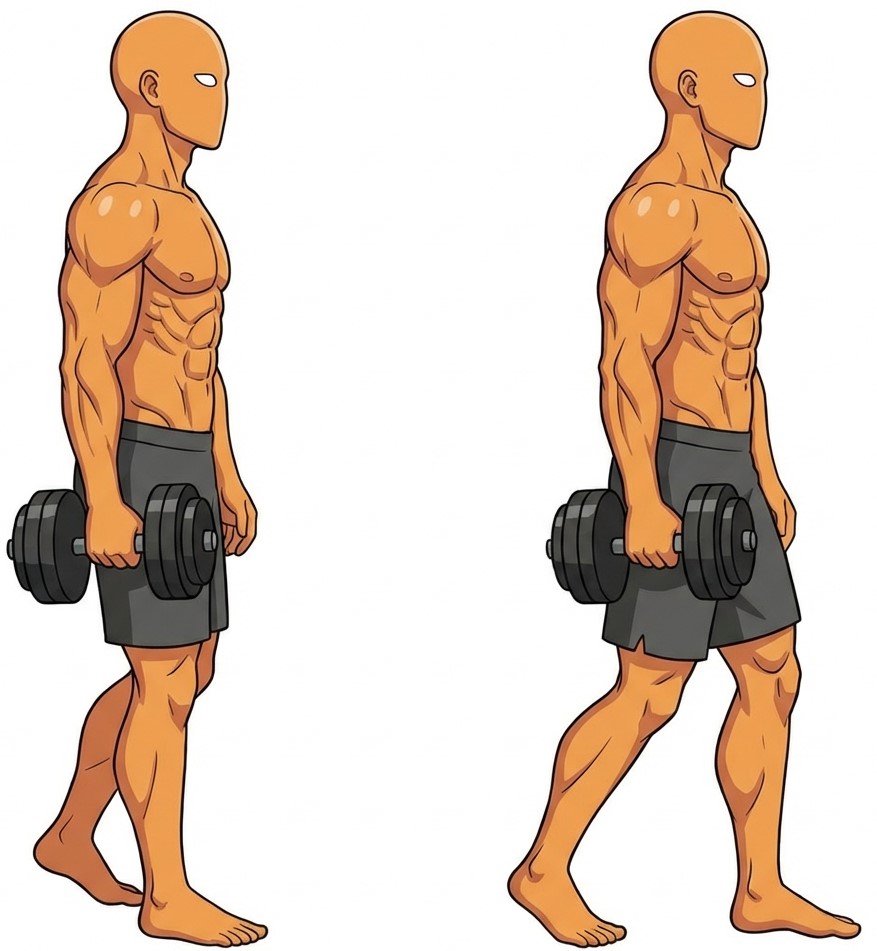
A carry pattern might look simple — walking with weight — but it challenges almost every muscle in the body. It heavily involves the core, grip, shoulders, and stabilizers that support posture and balance.
This movement pattern reinforces total-body stability, making everyday tasks like carrying groceries or lifting equipment easier and safer.
Key exercises:
- Farmer’s carry
- Suitcase carry
- Trap bar carry
6. Rotation
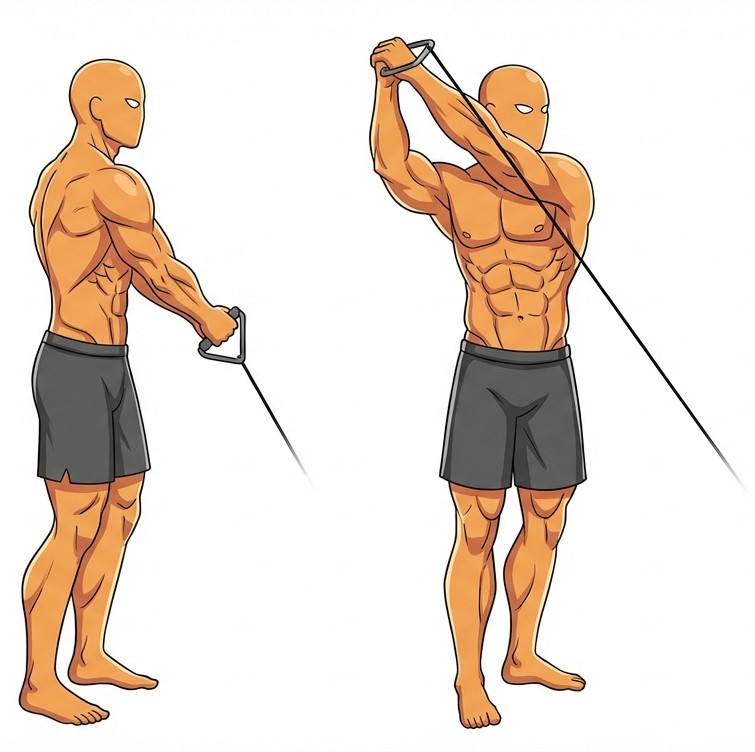
The rotational pattern involves twisting through the torso while keeping alignment and control. It strengthens the obliques, deep core muscles, and spinal stabilizers, improving athletic performance and resilience against sudden movements.
Key exercises:
- Cable chop
- Cable lift
- Russian twist
- Palloff press rotation
- Medicine ball throw
7. Gait
Gait patterns include walking, running, and sprinting — the movements that define human locomotion. Effective gait mechanics require coordinated work from the glutes, hamstrings, hip flexors, core, and calves, ensuring efficient movement and energy transfer.
Improving gait translates to better performance in sports, endurance activities, and daily motion efficiency.
Why These Patterns Matter
Every effective workout program builds from these basic patterns. Training them ensures balanced muscular development, improved mobility, and functional strength that supports your lifestyle — not just performance in the gym.
Whether your goal is muscle growth, strength, or long-term movement health, these seven patterns provide the blueprint.